Wetang’ula Demands Climate Accountability From Major Polluters
By Our Correspondent
National Assembly Speaker Moses Wetang’ula has challenged major environmental polluters to honor their commitments under international climate agreements, warning that developing countries are bearing the heaviest cost of a crisis they have contributed least to creating.
Wetang’ula said countries with relatively low emissions continue to suffer the effects of environmental degradation through extreme weather events, food insecurity and economic losses, even as efforts to secure stronger global action remain slow.
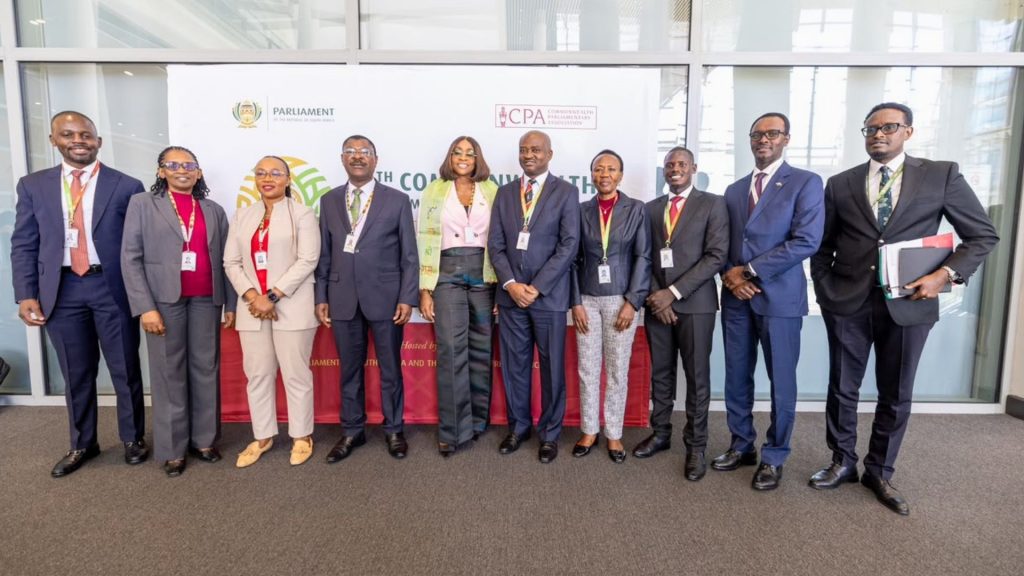
Speaking during a meeting on promoting climate adaptation and resilience at the 69th Commonwealth Parliamentary Conference in Cape Town, South Africa, the Speaker said developed nations must take greater responsibility for addressing the consequences of climate change.
“The Paris Agreement, adopted in December 2015 as a legally binding international treaty on climate change, requires major environmental offenders to take responsibility for meeting their commitments,” he said.
He called for increased financing and technical support for countries struggling to adapt to the effects of climate change, arguing that those responsible for a significant share of global emissions should play a greater role in supporting mitigation and adaptation programs.
Wetang’ula commended Commonwealth member states for measures they have taken to strengthen climate resilience but criticized attempts by some major polluters to dismiss climate initiatives as a “hoax”.
He said such positions risk weakening international cooperation at a time when vulnerable countries require greater support to cope with increasingly severe climate-related challenges.
“I challenge the Commonwealth to engineer a return to a multilateral approach to deal with the effects of climate change,” he said.
Wetang’ula also called for greater accountability among governments, legislators and other stakeholders, noting that legislation and climate policies alone would not be sufficient without effective implementation and coordinated action.
“Climate change is no longer an issue for endless debate, thus, the need for greater accountability and concerted action by governments, legislators and other stakeholders to strengthen mitigation and adaptation efforts,” he said.
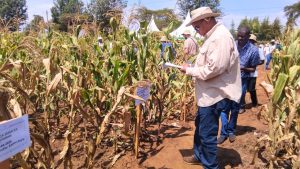
The call came as Kenya highlighted measures it is implementing to help communities adapt to changing weather patterns and protect agricultural livelihoods.
Homa Bay Senator Otieno Kajwang’, who was among the panelists, cited climate-smart agriculture, small-scale irrigation and the solarisation of agricultural value chains as some of the interventions being implemented in Kenya.
“Kenya has invested in smart agriculture, small-scale irrigation and the polarization of value chains as climate adaptation initiatives, which have had a positive impact on local communities,” he said.
Kajwang’ also challenged the Executive to submit climate change action plans to Parliament within the required timelines to allow legislators to scrutinize and approve them.
He said timely parliamentary oversight would strengthen Kenya’s preparedness and response to climate-related challenges while ensuring that climate interventions are subjected to appropriate scrutiny.
About The Author