KMA Blames Government Failures For Recurring Health Strikes
According to KMA, delays in implementing negotiated agreements have fueled mistrust and recurring disputes between employers and health workers. It also cited inconsistent engagement with workers and weak systems for resolving disagreements before they escalate.
By Suleiman Mbatiah
Recurring strikes by health workers are a sign of deeper governance failures, the Kenya Medical Association (KMA) has said, pointing to delays in implementing agreements, inconsistent engagement with workers and weak dispute-resolution mechanisms.
The association said disruption in public health services puts patients at risk, with vulnerable groups bearing the brunt, and threatens progress toward Universal Health Coverage (UHC).
KMA said the Constitution protects workers’ rights to fair labor practices and collective bargaining, while also guaranteeing every Kenyan the right to the highest attainable standard of health. It said this calls for mechanisms that protect both.
“Recurring strikes are evidence of systemic governance failures,” said Dr Ibrahim Matende, President of the Kenya Medical Association.
The association said repeated industrial action reflects weaknesses in how governments and health-sector institutions manage relations with their workforce.
According to KMA, delays in implementing negotiated agreements have fueled mistrust and recurring disputes between employers and health workers. It also cited inconsistent engagement with workers and weak systems for resolving disagreements before they escalate.
“Delayed implementation of negotiated agreements, inconsistent engagement with health workers, and weak institutional mechanisms for dispute resolution have created a cycle of recurring industrial unrest. This pattern is not acceptable,” Dr Matende said.
KMA called on the national and county governments, as employers, to put in place effective labor relations systems that allow continuous engagement with health workers.
The association said disputes should be addressed early through structured dialogue, rather than being left to escalate into industrial action that disrupts essential services.
“Preventing industrial action should be a function of good governance,” he stated, while calling for the immediate operationalization of Works Councils at both national and county levels.
It said the councils would bring together employers, health worker unions, professional associations and government agencies to provide a structured forum for consultation and ongoing engagement.
The association said the councils should also track implementation of negotiated agreements, identify emerging workforce challenges and help resolve disputes before they turn into strikes.
KMA further called on the Ministry of Health, the Council of Governors and the Kenya Health Human Resource Advisory Council to provide technical leadership in strengthening labor relations.
It said the institutions should develop standardized operational frameworks for Works Councils, build their institutional capacity and facilitate dialogue among the parties involved in health-sector labor relations.
The association also proposed the immediate convening of National and County Works Councils to address the current dispute while putting in place a structured program for continuous engagement.
It wants the government to publish the implementation status of existing Collective Bargaining Agreements (CBA) and other negotiated commitments to improve transparency and accountability.
KMA also proposed a joint implementation committee made up of the government, health worker unions, professional associations, KHHRAC and other relevant stakeholders.
The committee would track commitments made during negotiations and help resolve emerging issues before they trigger further industrial action.
The association said accountability mechanisms should also be strengthened to ensure negotiated agreements are implemented within agreed timelines.
“Kenya cannot afford to lose the gains made towards Universal Health Coverage through preventable failures in labor relations. The time to institutionalize meaningful social dialogue is now,” Dr Matende said.
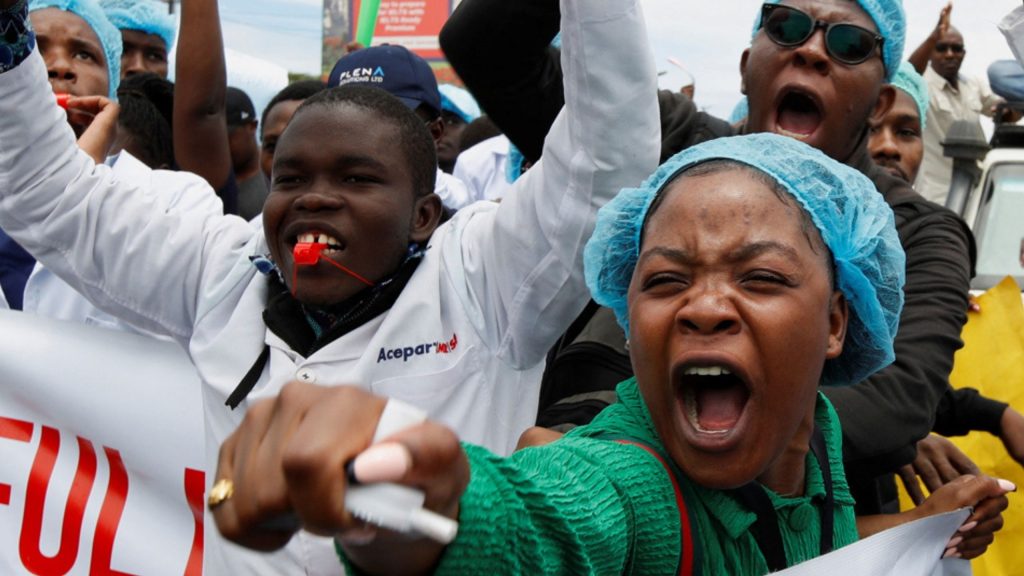
KMA said the ongoing nurses’ strike should mark a turning point in the management of labor relations in the health sector.
It said lasting industrial harmony will not come from repeated crisis negotiations, but from strong institutions, predictable dialogue, mutual accountability and respect for negotiated commitments.
The association also called for emergency and life-saving health services to be protected throughout the dispute as negotiations continue in good faith.
He said KMA remains committed to working with the Ministry of Health, the Council of Governors, KHHRAC, health worker unions, professional associations and other stakeholders to build a resilient health system.
About The Author