Lunalo Calls For Penal Code Reform To Protect Health, Equality Rights
He urged national and county authorities to address gaps in reproductive and maternal health care. He also called for county funding for safe houses and gender-based violence recovery centres so survivors could get care at nearby health facilities.
By Suleiman Mbatiah
A Nakuru civil society leader has called for a review of sections of the Penal Code to ensure they comply with the Constitution, saying some provisions may limit reproductive health services and leave patients or providers open to prosecution.
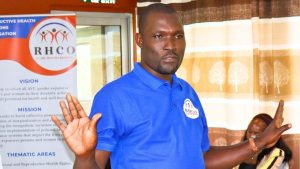
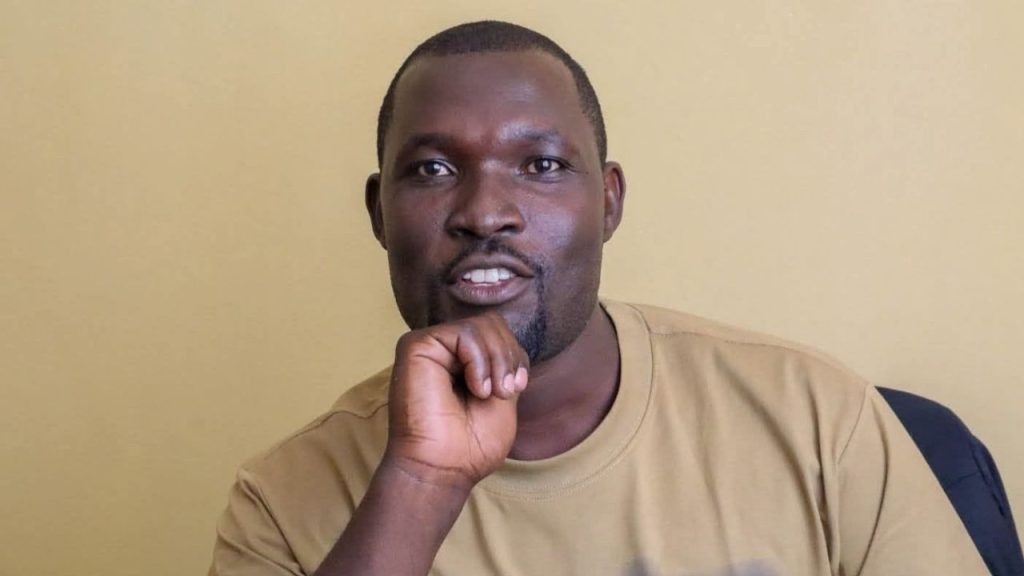
Martin Lunalo, executive director of Protective Health and Champions Organization (RHCO), pointed to sections 158 to 160 on abortion-related offences, as well as sections 162 and 163, which criminalize certain sexual acts.
Lunalo said the law should be aligned with constitutional protections on health care and non-discrimination. He did not give details of the legal review he said was under way or name the agency leading it.
“This constitution of ours has given us a very transformative, actionable way forward that every Kenyan matter, every Kenyan should be participative, every Kenyan should be involved, every Kenyan should be recognized, and every Kenyan should access the opportunities, if not services, that are supposed to be done under the state obligations,” Lunalo said.
He spoke during a meeting with journalists in Nakuru on Kenya’s progress in implementing the Constitution. Lunalo said the discussion also looked at how the media could help improve public understanding of constitutional rights and state obligations.
He put particular focus on Article 27, which guarantees equality before the law and bars direct or indirect discrimination. It lists grounds including race, sex, pregnancy, health status, ethnic or social origin, disability, religion, conscience, belief, culture and language.
The Constitution also guarantees the right to the highest attainable standard of health, including reproductive health care, under Article 43. Article 26 says life begins at conception, but allows termination of a pregnancy when, in the opinion of a trained health professional, emergency treatment is needed, the life or health of the mother is at risk, or another written law permits it.
The Penal Code, which dates back to 1930, sets a maximum sentence of 14 years under Section 158 for unlawfully attempting to procure a miscarriage. Section 159 sets a maximum seven-year sentence for a pregnant woman who unlawfully attempts to procure her own miscarriage, while Section 160 provides for up to three years for supplying drugs or instruments knowing they are intended to be used unlawfully to procure a miscarriage.
“We are aware that the Penal Code of Kenya, the Penal Code that is being used within our justice system, is under review, if not amendment, because it doesn’t align with the constitution,” he said.
Amending the Penal Code is Parliament’s role, though courts can interpret its provisions and decide whether they comply with the Constitution. Parliament has been considering separate changes to the code, including a Bill aimed at decriminalizing attempted suicide. A parliamentary schedule also showed the National Assembly’s Health Committee considering a Family Reproductive Health Care Bill, 2025 legislative proposal in June 2026.
The abortion provisions have been challenged in court before. In 2022, the High Court heard the case of a 17-year-old girl and a doctor who were arrested and prosecuted in Kilifi after she received emergency medical treatment that led to the termination of a pregnancy.
In PAK and another v Attorney General and three others, the court did not strike down sections 158 to 160 as unconstitutional. It found, however, that the provisions did not properly reflect the exceptions in Article 26(4), which created uncertainty for patients, health workers, police and prosecutors. The court quashed the criminal proceedings and called on Parliament to pass a law giving effect to the constitutional exceptions.
Sections 162 and 163 deal with a separate legal dispute. Section 162 criminalizes sexual acts described in law as being against the order of nature and carries sentences of up to 14 years, rising to 21 years in some non-consensual cases. Section 163 criminalizes attempts to commit such acts and indecent assault against a male, with a maximum sentence of seven years. In 2019, the High Court rejected a constitutional challenge to sections 162 and 165, holding that the provisions were not unconstitutional.
“We’ve seen cases of teenage pregnancies around here, we’ve seen cases of maternal mortality going high, and we’ve seen cases of low budgets for health care within this county,” Lunalo said.
He named Nakuru as one of the counties where his organization wants more attention given to maternal and reproductive health services. He did not provide figures on the county’s teenage pregnancy rate, maternal mortality trend or health budget.
Lunalo also said some residents had not registered with or obtained coverage through the Social Health Authority (SHA), which was created under the Social Health Insurance Act, 2023, to administer Kenya’s social health insurance system and support access to health care.
He urged national and county authorities to address gaps in reproductive and maternal health care. He also called for county funding for safe houses and gender-based violence recovery centres so survivors could get care at nearby health facilities.
The civil society leader also criticized President William Ruto’s administration, accusing it of poor performance in health, education and other sectors. He said the government should be held accountable in the 2027 General Election.
“We want the criminal law to take effect, so that if someone is doing a criminal activity, they are not labelled other names. They are just labelled as per the activity that has happened. So, in this country, we don’t have goons,” Lunalo said.
He condemned violence during political activities, especially attacks on women, and said political affiliation could not justify rape, assault or killings. He said offenders should be investigated for specific crimes instead of being broadly described as goons.
Lunalo said President Ruto was responsible for decisions made by the national government and for making sure independent institutions had the resources to carry out their mandates. He ended by urging the administration to spend less effort on public relations and focus more on service delivery.
About The Author