Kipsigis Clans Give State 30 Days To Return Tea Estate Land
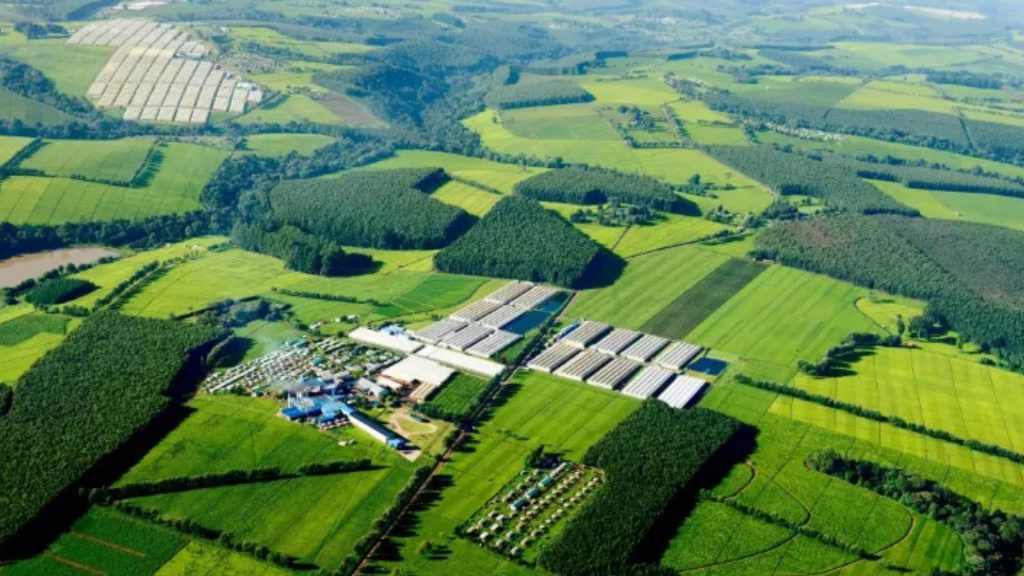
By Elijah Cherutich
More than 200 Kipsigis clans have given the government 30 days to transfer ownership of ancestral land occupied by multinational tea companies in Kericho and Bomet counties to the community, warning that they will go to court if that does not happen.
The clans’ lead lawyer, Benhard Kipkoech Ngetich, said statutory notices had been sent to the Ministry of Lands, the Attorney-General, and the county governments of Kericho and Bomet. He said a team of more than 20 lawyers had been assembled to pursue the claim.
Ngetich said the community wanted ownership of the land, not financial compensation. He said the land should be registered under a community title so the clans could decide how it is managed and negotiate any future leases.
The clans say their ancestors were displaced from the land during British colonial rule and that it should have been returned to the community after Kenya gained independence in 1963.
“When the country attained internal self-governance, the community had high hopes that they would move back to their farms, but these farms have been held by multinational corporations for all that time, denying them a chance to build social capital from it,” Ngetich said.
He said successive governments had kept control of the land and leased it to commercial operators without properly addressing the displacement and land shortages affecting members of the community.
Ngetich said that if ownership returned to the clans, the community could negotiate new arrangements with companies operating on the estates. He said income from any leases could support education, healthcare, infrastructure, and other community programmes.
The lawyers named Browns East Africa Plantations and Browns Plantations Kenya among the major companies occupying land covered by the claim. They also asked the companies not to sell, transfer, or alter ownership of the estates until the dispute is resolved.
The legal team said the clans would pursue the matter peacefully and expected the government and the companies to respond within the notice period.
Browns Plantations Kenya was formerly known as James Finlay Kenya. Sri Lanka-based Browns Investments completed its acquisition of the company in November 2023. Finlays said the business covered 10,300 hectares, including 5,200 hectares of tea fields across nine estates. The sale agreement also provided for a 15 per cent shareholding to be offered to the local community through the Kipsigis Highlands Multipurpose Cooperative Society.
The dispute is part of a decades-long campaign by the Kipsigis and Talai communities over land they say was taken to establish commercial tea estates during colonial rule.
In 2019, the National Land Commission recognised claims of historical land injustice involving the two communities and recommended a resurvey of tea estate land. It also proposed converting old 999-year leases to 99-year leases and withholding renewals until agreements were reached with the county governments.
The High Court, however, quashed those recommendations in April 2023 after multinational tea companies challenged them. The court barred the Lands ministry, the Director of Surveys, and the Kericho and Bomet county governments from implementing the measures.
Kenya’s Constitution limits landholding by non-citizens to leasehold tenure of no more than 99 years. The clans’ current demand goes beyond that by seeking community ownership of the land rather than simply shortening the companies’ leases.
The dispute has also reached international forums. In 2021, United Nations human rights experts raised concerns about the alleged lack of effective remedies for Kipsigis and Talai people affected by colonial-era land expropriation in Kericho.
About The Author