Njoro Hospital Nears Completion, Set To Cut PGH Referral Burden
The Sh76 million project forms part of a broader county strategy to establish a functional Level Four hospital in every sub-county, aimed at strengthening local healthcare systems and reducing disparities in access.
By Suleiman Mbatiah
Residents of Njoro Sub-county could soon avoid routine referrals to Nakuru City as a nearly complete modern hospital promises to decentralise critical health services and ease pressure on overstretched urban facilities.
The Njoro Sub-county Hospital has reached 95 percent completion, with major medical equipment already procured, positioning the facility for commissioning within months once final construction and installation works are concluded.
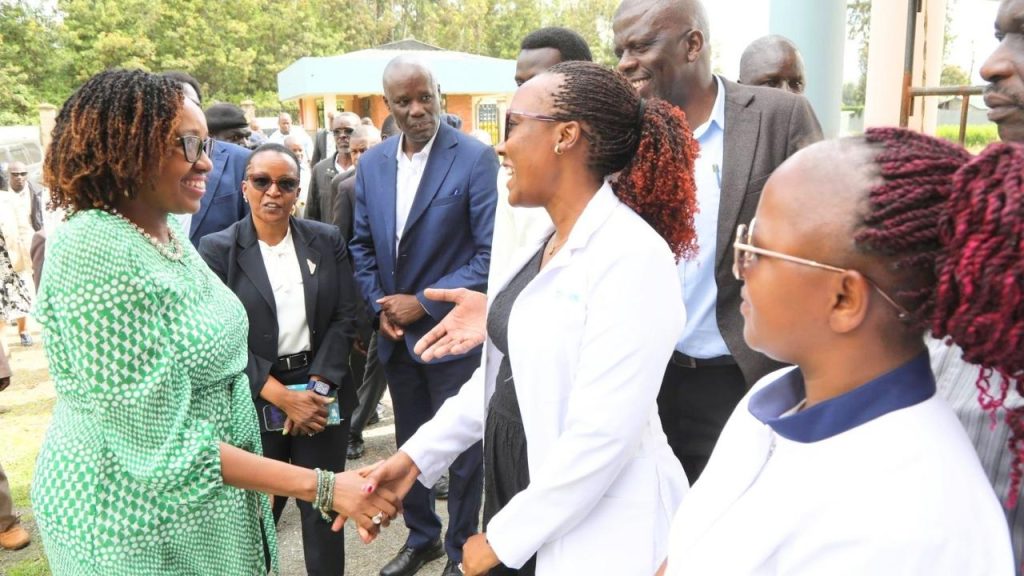
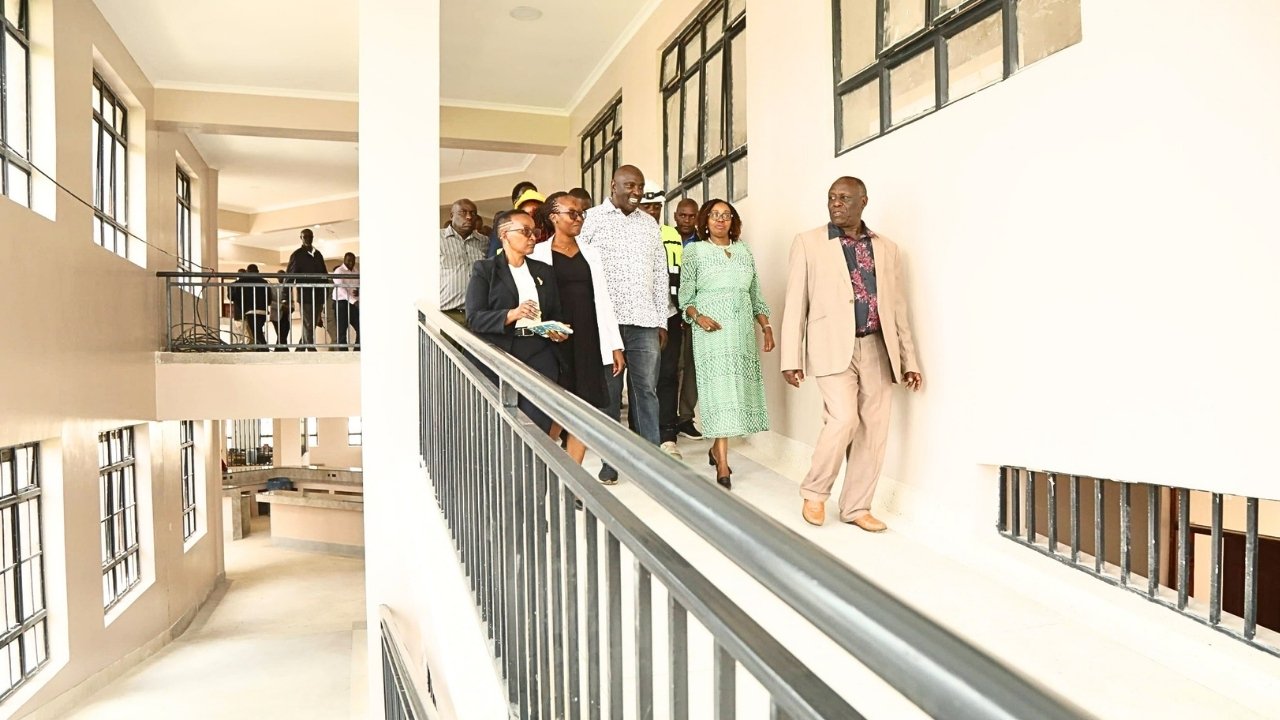
Governor Susan Kihika during an inspection tour said the upgraded hospital will ease congestion at Nakuru County Referral and Teaching Hospital while expanding access to inpatient and outpatient care for residents across Njoro and surrounding areas.
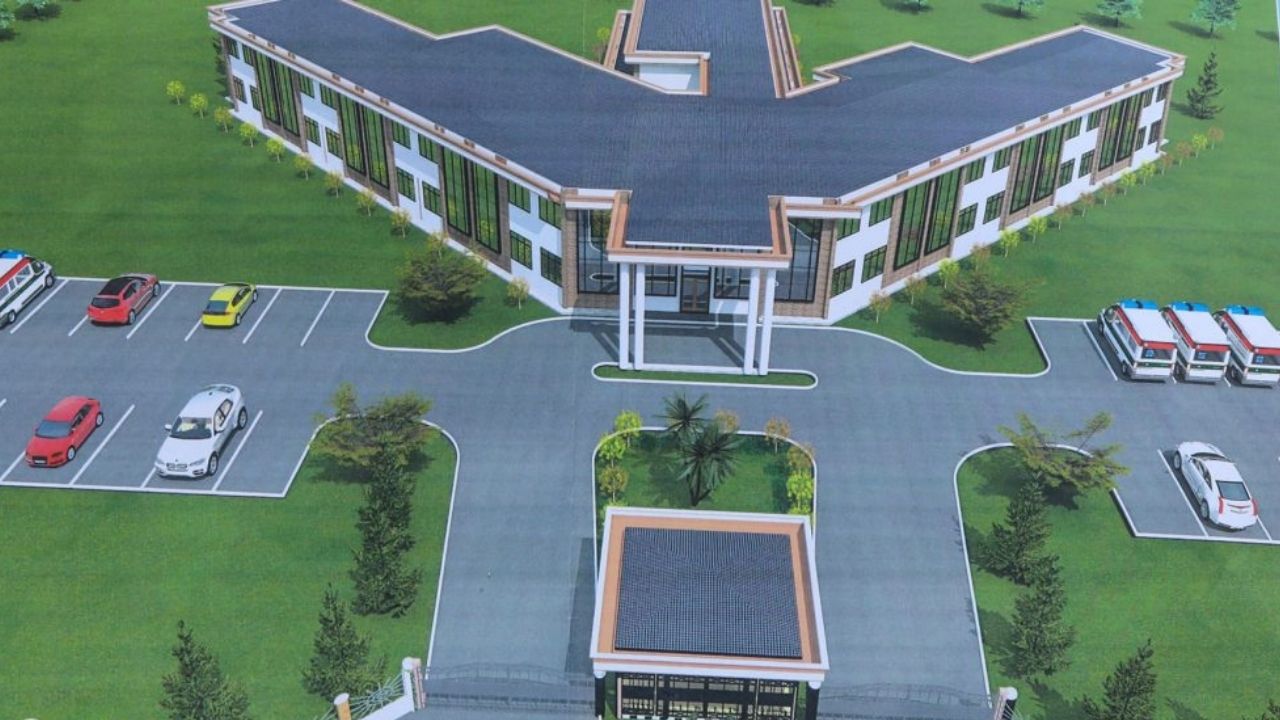
She noted the facility will include two operating theatres, maternity and newborn units, general wards, emergency services, and diagnostic departments, strengthening critical care access and improving emergency response along nearby highway accident zones.
“We are working diligently to ensure that within the next few months, the facility is fully completed, equipped, and made operational. The facility will feature two theatres, general wards, a maternity wing, a newborn unit, and other essential support departments,” she stated.
Mechanical and electrical installations are ongoing alongside interior finishing, with contractors operating under strict timelines following the project’s revival after years of delays caused by contractual challenges.
The project forms part of a broader county strategy to establish a functional Level Four hospital in every sub-county, aimed at strengthening local healthcare systems and reducing disparities in access.
The Governor said planning is underway to ensure immediate operational readiness upon completion, including staffing, equipment calibration, and administrative systems to prevent delays in service delivery.
The project has also created employment opportunities for local youth, with contractors directed to prioritise hiring within the community to accelerate progress, support livelihoods, and enhance public ownership.
Local leaders have welcomed the development, describing the near completion as a turnaround for a previously stalled project that is expected to improve healthcare access and emergency response along key transport corridors.
The hospital is part of wider healthcare investments across Nakuru, where the county has consistently allocated about 40 percent of its annual budget to the health sector since 2022 to strengthen infrastructure and service delivery.
“Health remains the cornerstone of my administration’s development agenda. Since taking office, we have consistently allocated close to 40 per cent of the county’s annual budget to the health sector,” Kihika said.
County data indicates expanded healthcare capacity through 16 Primary Care Networks linking hundreds of facilities and community units, alongside digitisation and improved maternal services contributing to gains in preventive care and reduced teenage pregnancies.
About The Author