Governor Kang’ata Exits UDA Ahead Of 2027 Polls
He clarified that his exit from the party ticket would not take effect immediately, adding that he would announce his next political platform later while continuing to serve in his current role.
Jane Chepkurui
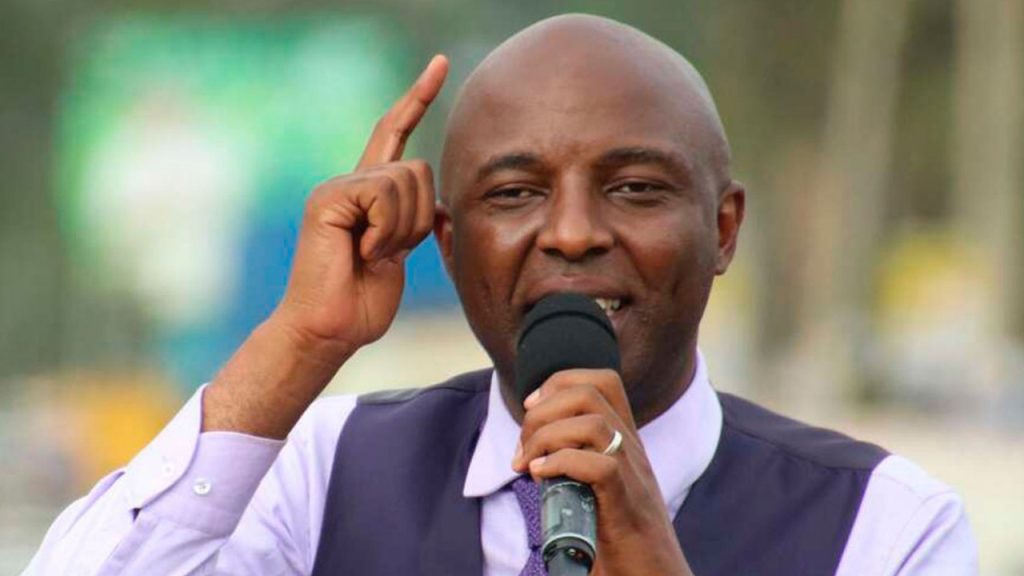
Murang’a Governor Irungu Kang’ata has announced he will not seek re-election on the United Democratic Alliance (UDA) party ticket in the 2027 general election, citing unresolved internal differences and a shift toward pursuing an alternative political platform.
In a detailed statement this evening, Kang’ata said the decision followed months of consultations and reflection, signaling a potential political realignment that could influence alliances ahead of the 2027 general election.
He emphasized that engagements within party leadership remained respectful but did not produce consensus on key strategic and policy matters, prompting him to reconsider his political direction while retaining his current responsibilities.
“My foremost responsibility is to the people who entrusted me with leadership. That mandate requires independent judgment, candour, and decisions that safeguard both their immediate interests and long-term prosperity,” said Governor Kang’ata.
Kang’ata explained that he had openly shared his views within party structures and engaged senior leadership, but persistent differences remained on political strategy, governance priorities, and the broader national policy direction.
He clarified that his exit from the party ticket would not take effect immediately, adding that he would announce his next political platform later while continuing to serve in his current role.
The governor affirmed he would continue cooperating with the national government and remain loyal to the President, focusing on development delivery throughout the remainder of his term leading to 2027.
“While those engagements have been respectful, we have not reached full convergence,” Kang’ata stated, underscoring the unresolved nature of discussions that informed his decision to seek a different political path.
He also raised concern about rising political tensions, warning that confrontational approaches risk undermining democratic values and could generate unintended sympathy for individuals perceived to be targeted.
Kang’ata pointed to historical patterns, noting that failure to learn from past political missteps could lead to repetition, further deepening divisions and weakening the country’s democratic foundations over time.
Beyond politics, he outlined economic priorities centered on manufacturing, education, and healthcare, noting that existing efforts remain insufficient in scale and focus to deliver the level of transformation Kenya requires.
In education, he proposed fully funding free day secondary schooling at an estimated annual cost of KSh 40 billion, alongside strengthening teacher quality, vocational training, and expanding school infrastructure.
“In health, the priority should be strengthening primary healthcare, ensuring reliable supply of essential medicines, and expanding insurance coverage in a fiscally sustainable manner,” Kang’ata said.
He added that manufacturing reforms should focus on lowering power costs, aligning tax incentives with production and exports, and prioritizing locally produced goods to stimulate domestic industry and job creation.
About The Author