Plan to Build Houses on Afraha Stadium Land Sparks Public Outcry
In April 2021, during the groundbreaking ceremony for phase one of the Afraha Stadium upgrade, Governor Lee Kinyanjui proposed developing the adjacent land to host a training pitch, basketball and volleyball courts, a swimming pool, and a modern conferencing facility.
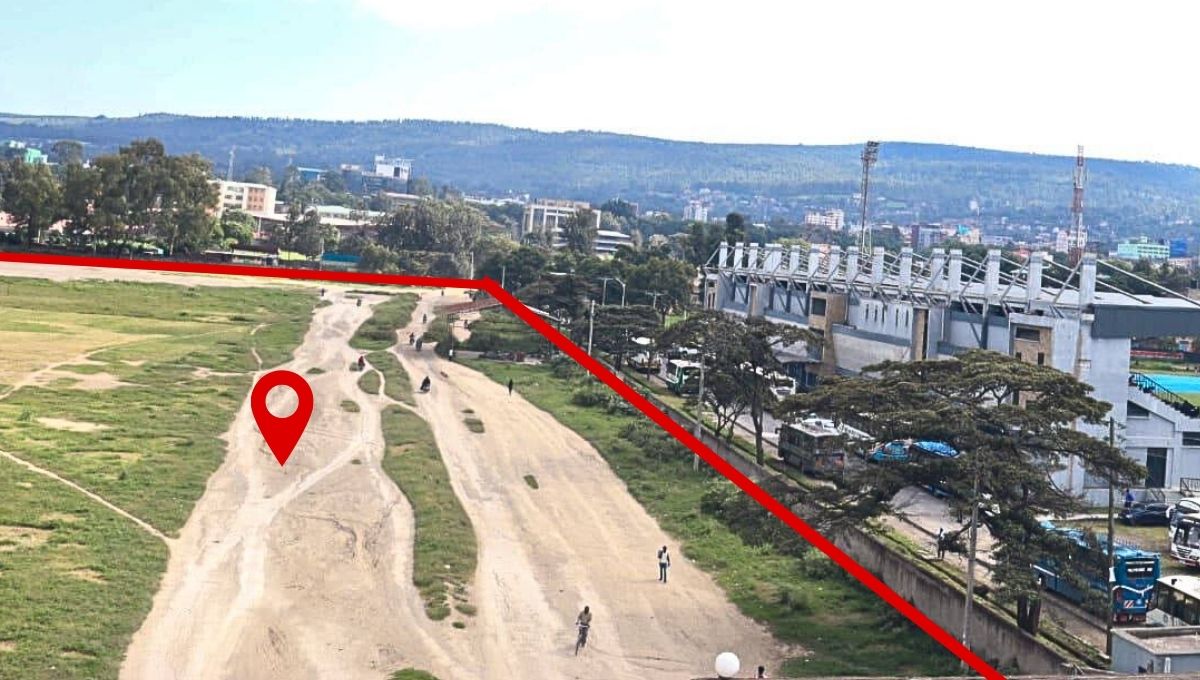
A proposal by the County Government of Nakuru to build affordable housing units on a parcel of land adjacent to Afraha Stadium has been met with sharp criticism and outright rejection from a cross-section of residents, sports enthusiasts, and civic groups.
The county’s Chief Officer for Housing and Urban Development, Arch. Kamau Kuria, confirmed the proposal during an inspection tour of the site, saying the project aims to meet growing housing demand while also creating jobs and improving urban infrastructure.
While county officials argue the site is ideal for a social housing project under the national Affordable Housing Programme, critics say the plan is misguided and threatens the cultural, recreational, and historical value of the stadium.
Centre for Enhancing Good Governance (CEDGG) CEO, Masese Kemunche, said that proposing to build affordable houses on Afraha Stadium land amounts to rubbing salt into the wound of already frustrated sports lovers and local residents.
“My position is simple; Nakuru residents don’t need houses. What we lack are public recreational spaces. The city has no proper amenities for sports like swimming, basketball, gymnastics, or indoor games. We actually need more land to build such facilities,” he stated.
He further expressed concerns over increased congestion, the loss of public open space, and the potential disruption of ongoing efforts to modernize Afraha Stadium into a functional and inclusive sports and recreation facility.
According to a statement posted on the county’s official communication platforms, and since deleted, “the project forms part of the county’s broader strategy to align with the national government’s affordable housing agenda while unlocking economic opportunities for locals through construction and allied sectors.”
Sports journalist Denis Nyauma argued that the land in question was not just any piece of land, but a huge part of Nakuru’s sporting heritage, and repurposing it for the affordable housing project would undermine the integrity and intended purpose of a vital sports facility.
“The initial plan of Afraha Stadium open ground was to upgrade it to meet international standards. Redirecting such a valuable public asset for housing compromises these objectives and disregards the cultural and social significance of the stadium,” he protested.
He added that it was imperative that the stadium’s facilities are preserved and upgraded to serve their original purpose, ensuring sports, recreation, and community development remain priorities for the region’s growth and identity.
In April 2021, during the groundbreaking ceremony for phase one of the Afraha Stadium upgrade, Governor Lee Kinyanjui proposed developing the adjacent land to host a training pitch, basketball and volleyball courts, a swimming pool, and a modern conferencing facility.
The first phase of upgrading the 73-year-old Afraha Stadium included construction of a new pavilion and stands, a modern pitch, running tracks, and other key amenities. Once completed in 14 months, the stadium’s capacity will increase from 8,200 to 14,300.
Football development coach Hassan termed it unfortunate that the Nakuru County Government had chosen to disregard proposals to enhance sports facilities and instead move to convert Afraha Stadium, a key public amenity, into a real estate development.
“Afraha Stadium is finally getting a much-needed facelift to match the standards of top facilities like Kasarani and Nyayo. It’s astonishing that before the project is even halfway done, the space is already being repurposed. That’s completely misplaced and misguided,” he decried.
He warned that future generations would judge the current leadership harshly and urged the County Government of Nakuru to reconsider the proposal, suggesting that land for the social housing project should be sought elsewhere while Afraha Stadium remains untouched.
Some expressed concern that the plan could lead to congestion, reduce public open space, and disrupt, or overshadow, the ongoing modernization of Afraha Stadium, noting that the lack of public consultation pointed to weak stakeholder engagement by the county government.
“If the County is too much into improving the living conditions, which I doubt, it should start by addressing the inhabitability of Flamingo, Kivumbini, Bondeni, and other low-income zones. This stinks land grabbing and business opportunities,” noted Fatuma Rashid, a social commentator.
Grassroot Civilian Oversight Initiative’s Executive Director, Laban Omusundi said the quiet deletion of the Facebook post suggests Governor Kihika’s administration plans to push the project secretly, avoiding public scrutiny and shutting out meaningful engagement with stakeholders.
He added that such actions are not only deceptive but also a direct assault on the sporting heritage of Nakuru. Afraha Stadium, he reiterated, is more than just a field—it is a historic venue and a lifeline for our youth, athletes, and sports culture.
“We call on all lovers of sports, athletes, coaches, and Nakuru residents to stand firm and oppose this misguided attempt to erase our stadium under the guise of housing development. We are not against development—but we are against development by deception,” he implored.
About The Author