Kenya Calls For Urgent De-Escalation As Middle East War Widens
The escalation has disrupted global trade routes, with threats to the Strait of Hormuz slowing oil transit and driving up energy markets.
By Suleiman Mbatiah
Nairobi has urged urgent multi-stakeholder engagement toward de-escalation as the Middle East conflict sharply intensifies following US-Israel strikes on Iran
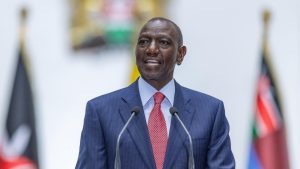
President William Ruto said the hostilities threaten regional stability and global peace at a time of expanding violence across the Gulf.
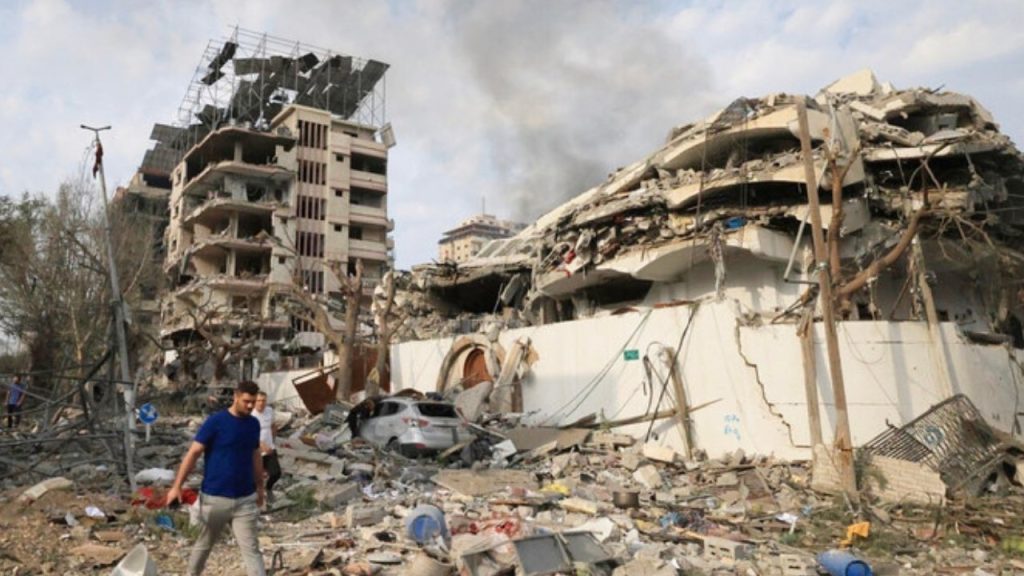
The conflict began on Saturday when Israel and the United States launched air and missile strikes on Iran under “Operation Lion’s Roar,” hitting military and nuclear sites.
Iran responded with waves of ballistic missiles and drones targeting Israel, US forces and Gulf states including the United Arab Emirates and Qatar.
Hezbollah in Lebanon fired rockets at Israel, prompting Israeli air raids on Beirut and adding a new front to the widening war.
The escalation has disrupted global trade routes, with threats to the Strait of Hormuz slowing oil transit and driving up energy markets.
Kenya dispatched security advisories for its nationals working across the Middle East, warning of heightened risk and urging vigilance.
“It is evident that the regionalisation of this conflict poses a grave threat to international peace and security,” the president said in his statement.
Global reactions have been mixed, with world powers calling for restraint even as military actions continue and diplomatic pressure grows.
Analysts warn the lack of a diplomatic breakthrough could entrench the war and deepen cracks in international security.
Meanwhile, airspace closures and airline cancellations highlight the impact on civil aviation and global commerce linked to the conflict zone.
About The Author