Renowned Kenyan Literary Icon Ngũgĩ wa Thiong’o Cremated in US
Despite being a perennial contender for the Nobel Prize in Literature, Ngũgĩ never won the award, a fact that disappointed many admirers.
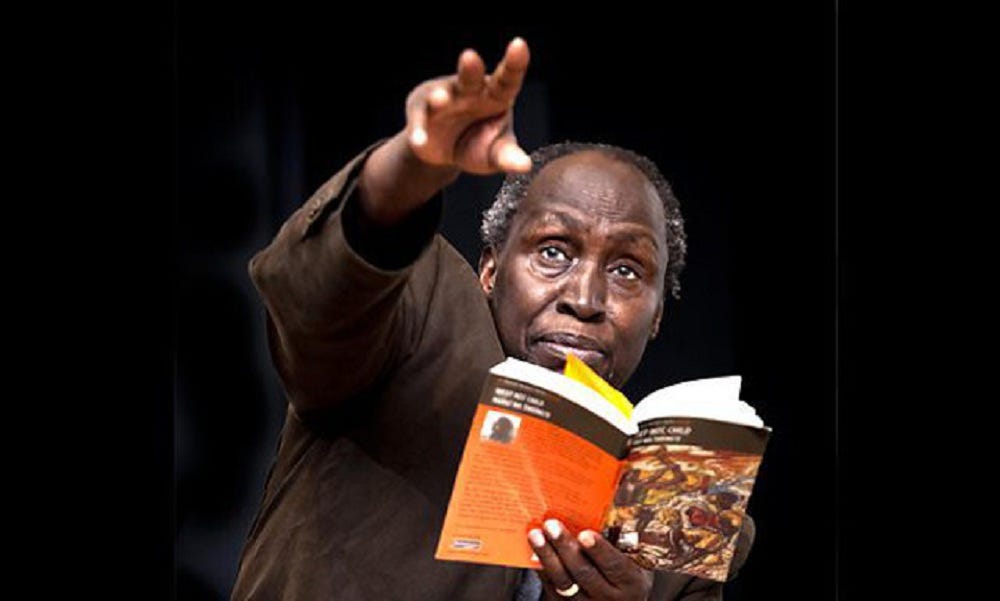
Celebrated literary icon, Professor Ngũgĩ wa Thiong’o, has been cremated in the United States in line with his final wishes, his son and writer Mukoma wa Ngũgĩ has confirmed.
The acclaimed writer and scholar died on May 28, 2025, aged 87, in Buford, Georgia, following a battle with kidney failure that required regular dialysis in his later years.
Mukoma confirmed that his father’s remains were cremated as per his wishes, with no public burial planned. Instead, the family announced a series of commemorative events in Kenya and the US to honour Ngũgĩ’s life and legacy.
“He wished to be remembered in spirit, through the ideals he stood for and the lives he touched,” the family said in a statement signed by Ndūcũ wa Ngũgĩ on June 1. The first event is scheduled for June 7 at Akazi Gallery in Atlanta, Georgia, from 3pm to 5pm.
Further celebrations are planned at the University of Nairobi, on a date to be confirmed, and the University of California, Irvine, on November 10. A private family ceremony will also be held in Gītogothi, Limuru, Ngũgĩ’s birthplace.
Ngũgĩ’s children expressed gratitude for the global tributes, noting, “Your poems, songs, and support remind us of the reach of his message and the depth of his humanity.”
Born in 1938 in colonial Kenya, Ngũgĩ emerged as a towering figure in African literature and a fierce advocate for social justice. Initially writing in English, he later embraced his native Kikuyu to champion African languages as tools of liberation.
His seminal work, Devil on the Cross, written on toilet paper during his 1977 imprisonment without trial, remains a landmark in post-colonial literature. Over nearly six decades, his writings chronicled Kenya’s journey from colonial rule to democracy.
Despite being a perennial contender for the Nobel Prize in Literature, Ngũgĩ never won the award, a fact that disappointed many admirers.
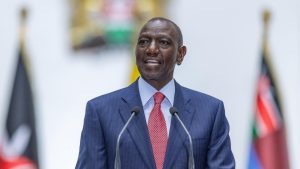
President William Ruto mourned him as “Kenya’s greatest man of letters” and a “fearless voice for justice, truth, and African identity.”
In a statement from State House, Ruto lauded Ngũgĩ’s courage and indelible impact on discourse around independence and power.
“He remains the champion of literary emancipation in our hearts,” Ruto said.
About The Author