Kenya Risks Collapse or Renewal Amid Growing Impunity, Says Dr. Kinity
The Ethics and Anti-Corruption Commission reported in 2023 that only 5 per cent of major graft cases result in convictions, often due to witness tampering or judicial interference.
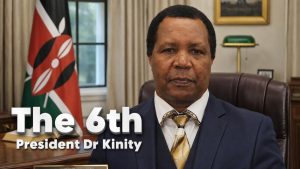
Kenya’s path to a just and prosperous future lies in ending a deeply rooted culture of impunity that shields corrupt leaders and fuels violence, advised Dr. Isaac Newton Kinity, a counselor, human rights defender and former Secretary General of the Kenya Civil Servants Union.
In a statement, Dr. Kinity declared that the nation’s persistent struggles, marked by rampant corruption, extrajudicial killings, and unresolved political murders, stem from its failure to hold political elites accountable.
“When Kenyans fully grasp the destructive force of impunity, it will spark a national awakening and pave the way for redemption,” he said.
Dr. Kinity argued that Kenya’s political system, which recycles discredited leaders across regimes, perpetuates economic plunder and human rights abuses. He pointed to a grim history of unresolved atrocities, from the 1969 assassination of Tom Mboya and the 1975 murder of JM Kariuki to the 2013 disappearances of Dickson Bogonko Bosire and Albert Muriuki, the 2016 killing of businessman Jacob Juma, and the 2017 death of electoral official Christopher Msando. The 2022 discovery of over 30 bodies in the Yala River, many suspected victims of extrajudicial killings, further highlights the ongoing crisis.
Dr Kinity highlighted a 2023 Human Rights Watch report implicating Kenya’s security forces in over 1,000 extrajudicial killings since 2010, with few perpetrators facing justice, “Those responsible often remain in power or walk free, emboldening further corruption and violence.”
The consequences of impunity, he noted, are stark, draining Kenya’s economy and eroding public trust. High-profile corruption scandals, such as the 2018 National Youth Service scandal, which saw KSh 9 billion vanish, and the 2020 misappropriation of KSh 7.8 billion in Kemsa COVID-19 funds, have crippled public services.
The Ethics and Anti-Corruption Commission reported in 2023 that only 5 per cent of major graft cases result in convictions, often due to witness tampering or judicial interference. A 2024 Afrobarometer survey revealed that 68 per cent of Kenyans distrust state institutions, citing impunity as a primary cause.
This distrust, coupled with impunity for past political violence, like the 2007-2008 post-election clashes that killed over 1,100 people, raises the specter of renewed unrest. The 2024 youth-led anti-tax protests, which left at least 50 dead, were fueled by frustration over unaccountable governance. Meanwhile, the Kenya National Commission on Human Rights documented 174 abductions and 87 extrajudicial killings between 2022 and 2024, creating a climate of fear that stifles dissent.
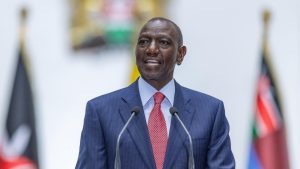
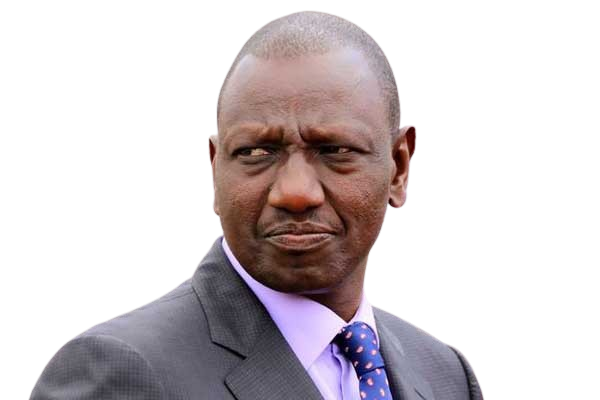
Political leaders have offered conflicting responses to the crisis. President William Ruto, elected in 2022 on an anti-corruption platform, vowed to send the corrupt to “jail or heaven.” Yet, his appointment of individuals under investigation by the Ethics and Anti-Corruption Commission, flagged in a 2023 parliamentary report, has drawn sharp criticism. In a July 2024 address, Ruto insisted his administration was “building a transparent government,” but offered no clear plan to resolve pending graft cases.
National Assembly Majority Leader Kimani Ichung’wah, defending Ruto’s reform agenda in 2022, emphasized reversing “state capture” to serve all Kenyans. However, his support for controversial 2024 cabinet appointments, including, recently, Hannah Cheptumo, deemed unqualified for the Gender Ministry, sparked accusations of enabling impunity. Ichung’wah brushed off critics, stating, “Leadership is about potential, not perfection.”
Opposition leader Raila Odinga, in a 2023 speech, accused the government of “institutionalizing impunity” through selective prosecutions and unchecked police brutality, calling for an independent judiciary to restore accountability. However, upon forming the broad-based government, Raila has been silent on the impunity and other ills perpetuated by the Kenya Kwanza regime.
Religious leaders have been equally vocal, amplifying the call for justice. In November 2024, the Kenya Conference of Catholic Bishops accused Ruto’s government of perpetuating a “culture of lies” and failing to curb corruption and human rights abuses. Archbishop Maurice Muhatia declared, “Impunity is a cancer eating away at Kenya’s soul. Leaders must fear God and serve justice.”
The National Council of Churches of Kenya, led by Rev. Canon Chris Kinyanjui, condemned political interference in churches, citing a Sh5 million donation by Ruto aide Farouk Kibet to a West Pokot church in 2024 as an example of entrenching impunity.
The Supreme Council of Kenya Muslims, through Chairman Hassan Ole Naado, urged the government in 2023 to prioritize justice for victims of extrajudicial killings, warning that impunity breeds resentment and risks radicalization.
Dr. Kinity questioned how leaders tied to past crimes could deliver justice, pointing to recent parliamentary decisions that approved cabinet nominees who failed constitutional vetting standards, such as Stephen Isaboke, reassigned from the ICT Ministry due to conflicts of interest.
The 2024 anti-tax protests, which forced Ruto to scrap a Finance Bill and reshuffle his cabinet, signal a growing public demand for accountability. Drawing a biblical parallel, Dr. Kinity urged Kenyans to seek an untainted leader, as David was chosen for Israel.
“God foresaw Kenya’s struggles and likely anointed someone free from this mess,” he said. “Kenyans must reject those responsible for their suffering and open their hearts to divine guidance. Recycling figures from corrupt regimes ensures impunity thrives,” he said.
About The Author