Nakuru Eyes Economic Boom Through Blue Economy
Experts project that with sustained investment and reforms, Kenya’s blue economy could generate KSh624 billion and create over 52,000 jobs over the next 10 years.
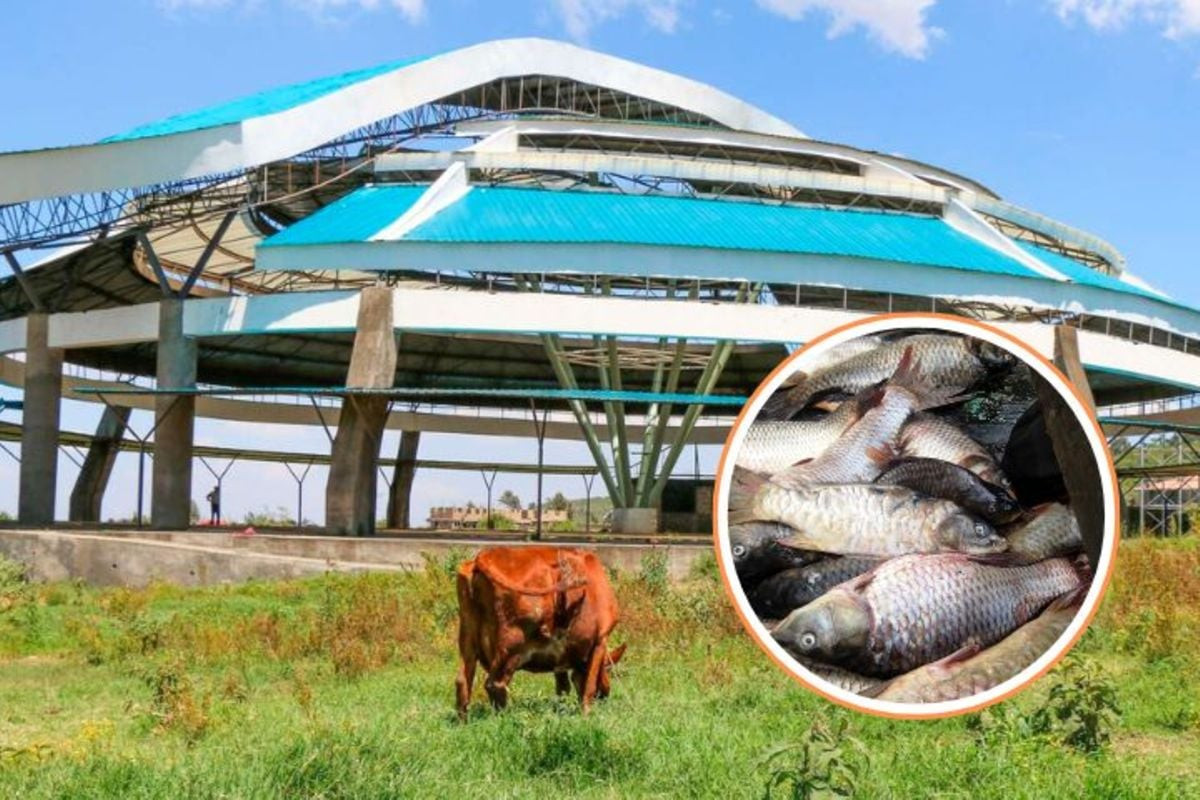
The stalled Kshs107 million Karai fish market.
Governor Susan Kihika has announced a plan to harness Nakuru County’s lakes to grow the blue economy, spur sustainable development, create jobs, and drive long-term economic growth.
Nakuru boasts of six lakes; Lake Nakuru, Lake Naivasha, Lake Elementaita, Lake Solai, Lake Oloiden, and Crater Lake, a fact the Governor said uniquely positions Nakuru as Kenya’s lake capital
While officiating the 62nd Madaraka Day celebrations in Bahati sub-County, Kihika emphasized on leveraging these natural assets to boost employment, food security, and economic prosperity.
This year’s Madaraka Day celebrates Kenya’s blue economy, highlighting sustainable use of marine resources, coastal tourism, and fisheries to drive economic growth and environmental conservation.
Kenya’s blue economy could add Kshs500 billion to GDP yearly and create 1 million jobs, driven by tourism, fisheries, maritime transport, and aquaculture.
“Our lakes are not just natural wonders; they are economic powerhouses,” she declared. “We are committed to unlocking their potential through sustainable initiatives in the blue economy.”
The Governor announced that her administration invested Kshs2.5 million last year to restock Lake Naivasha with fingerlings, boosting fish populations in the county’s largest freshwater lake.
However, she emphasized a strategic shift focused on restoring ecosystems, with special attention to the Lake Naivasha basin to support sustainability and long-term environmental health.
“Our focus is now on enhancing water resources, biodiversity, and ecosystem services to ensure long-term sustainability,” she said.
To support the blue economy, the Governor said, the county allocated Kshs20 million this year to complete the Karai Fish Market, among others around Lake Naivasha, enhancing trade.
Over 700 traders across five beaches—Kamere, Karagita, Kongoni, Kasarani, and Central—are set to benefit from these initiatives.
The county is also promoting fisheries through the supply of fingerlings, fishing nets, boats, and the establishment of fish hatcheries.
Nationally, fisheries support approximately 2 million people directly and indirectly, contributing to food security and income generation.
Kihika underscored the importance of collaboration with fishing communities, government agencies, and stakeholders to enforce fisheries management measures.
“By working together, we can ensure the sustainability of Lake Naivasha’s fisheries and create a thriving blue economy that uplifts our people,” she said.
In 2023, Kenya adopted a five-year National Blue Economy Strategy with IGAD, targeting greater economic gains from oceans, lakes, and rivers, which now yield just 8 per cent of their potential.
Experts project that with sustained investment and reforms, Kenya’s blue economy could generate KSh624 billion and create over 52,000 jobs over the next 10 years.
About The Author