KWS Raises Alarm Over Plastic Pollution After Whale Death in Kwale
Plastic pollution is a global crisis, with tons contaminating water bodies, harming marine life, disrupting ecosystems and entering food chains through microplastics from land-based litter, packaging and waste.
By Suleiman Mbatiah
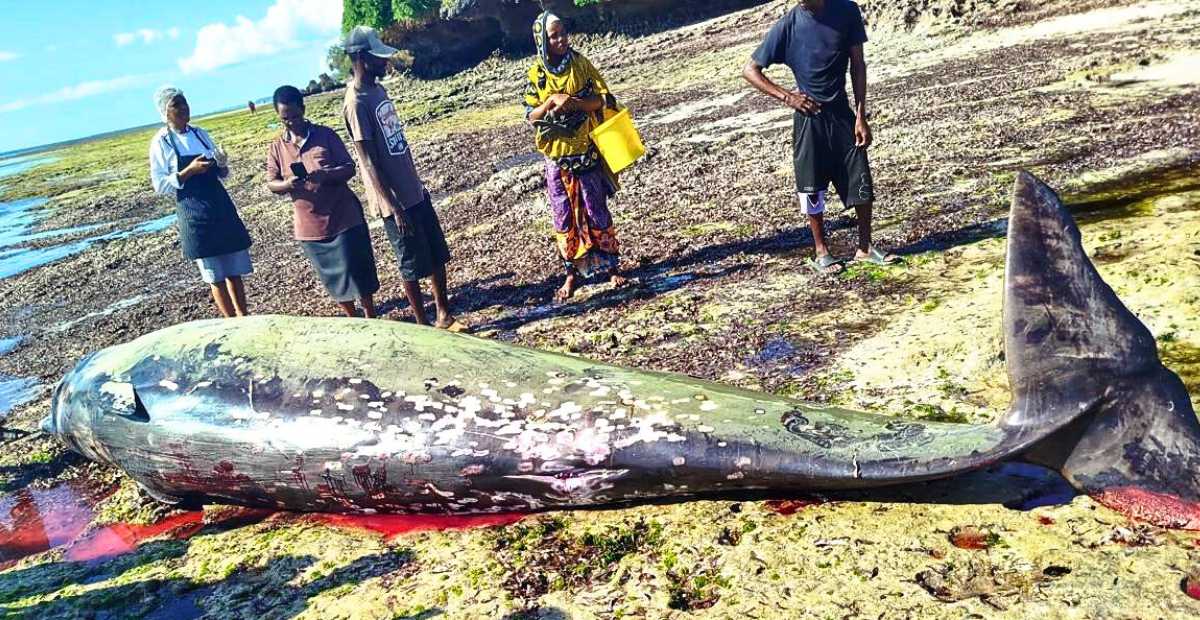
The Kenya Wildlife Service (KWS) has raised concern over rising plastic pollution in water bodies following the death of a whale discovered at Leopard Beach in Kwale County weeks ago.
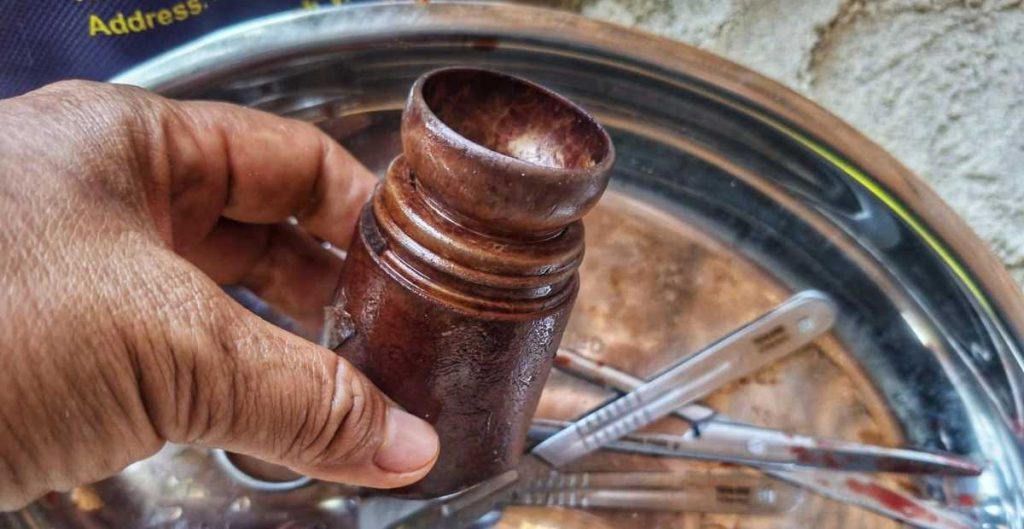
According to the agency, a postmortem conducted by KWS veterinarian Dr Asuka Takita found a plastic container lodged in the animal’s intestine, linking the death directly to human-caused pollution.
“This gentle giant did not die by chance – it died as a result of human pollution,” said the agency in a statement shared on official social media platforms.
KWS said plastic waste remains in oceans for years, drifting and sinking through marine ecosystems where it poses a serious threat to marine life.
The agency warned that plastic pollution has far-reaching consequences, not only killing marine animals but also disrupting entire ecosystems.
KWS has called on the public to take responsibility by reducing plastic waste, avoiding littering and protecting oceans and other water bodies from further contamination.
Plastic pollution is a global crisis, with tons contaminating water bodies, harming marine life, disrupting ecosystems and entering food chains through microplastics from land-based litter, packaging and waste.
According to the United Nations Environment Programme, between 19 and 23 million tonnes of plastic waste enter aquatic ecosystems each year, polluting lakes, rivers and seas across the world globally.
About The Author