Women Trained on Economic Livelihood to Curb GBV
By Elijah Cherutich
The 16 Days of Activism against Gender-Based Violence started with a major milestone in Mogotio, where more than 150 women from four counties graduated after undertaking an eight-month economic empowerment programme run by Dandelion Africa.
The women, from Nakuru, Baringo, Narok and Kajiado, have spent the past months learning practical skills meant to strengthen their livelihoods. The training covered kitchen-garden farming, table-banking models and ways to support their children’s education—areas where many rural households often struggle.
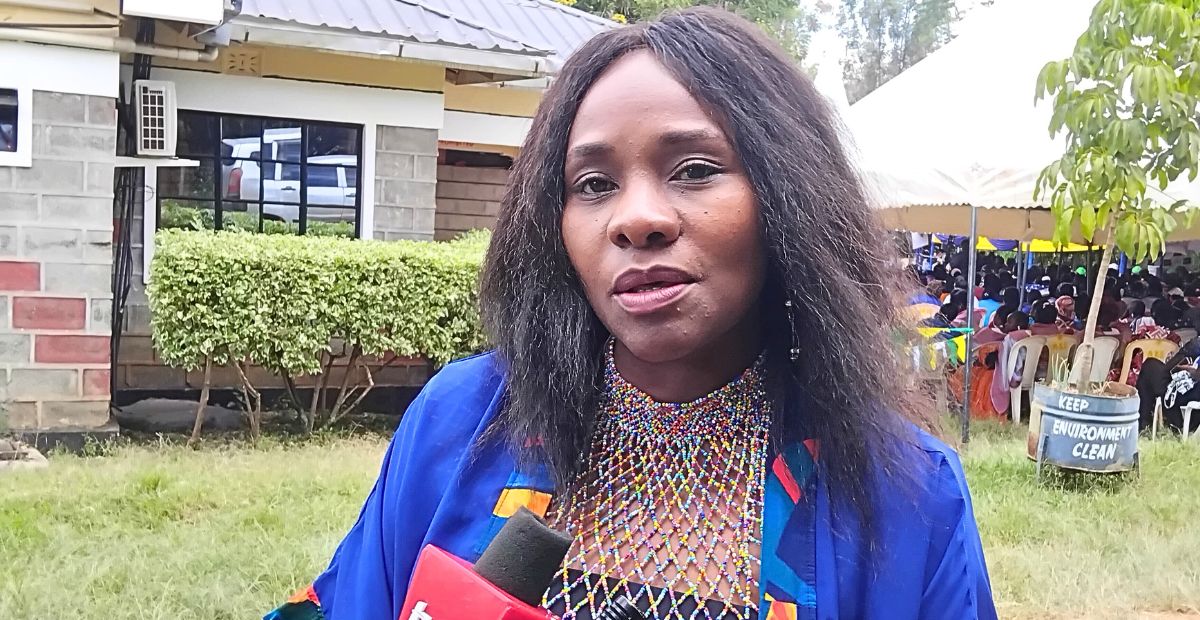
At the Dandelion Africa Medical Centre in Mogotio founder and executive director Wendo Sahar said the programme, now in its fifteenth year, has helped women build the confidence to speak up and influence decisions in their communities.
“Today we are celebrating with more than 700 women who’ve been part of this journey. From the beginning, our focus has been simple: women have voice, they have choice and they have power. But the challenges in rural areas are still many—from inadequate health facilities to harmful practices like female genital mutilation,” she said.
She noted that gender-based violence continues to affect families across Kenya and emphasised the need to invest in women’s economic resilience so they can better protect themselves and take part in confronting the problem.
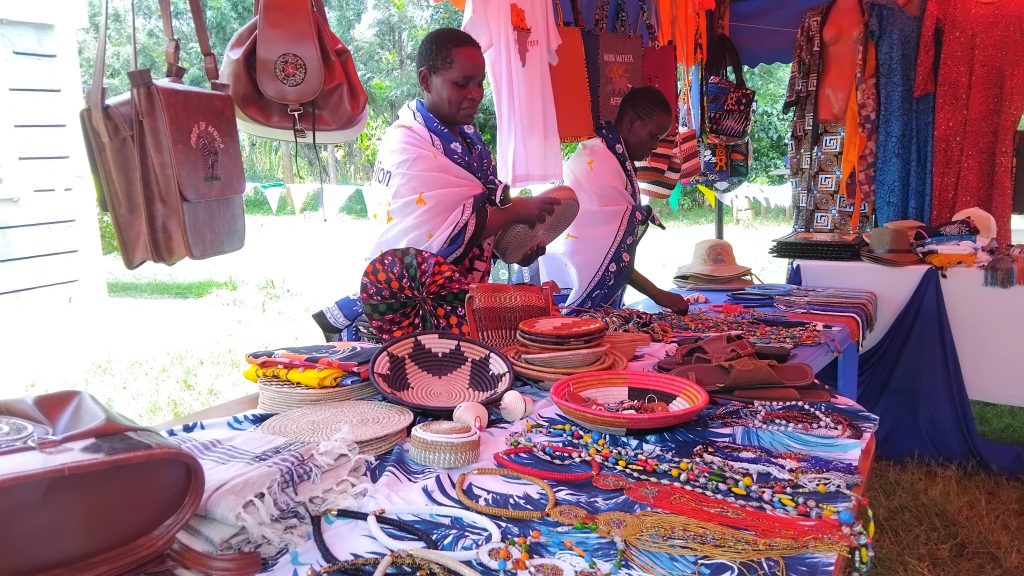
For some of the women, the training has already reshaped their homes and livelihoods.
Lucy Meja from Suswa in Narok said her family’s income has improved through a mix of farming and small businesses introduced during the programme. She said the extra income has eased tensions at home and given women in her community more room to participate in local economic activities.
“I grew up thinking female genital mutilation was normal because it was common in our community,” she said. “Being part of these groups has changed how we see things. It’s made many of us from the Maa community appreciate the value of educating our children while running our businesses.”
From Baringo County, Prisca Chemobo said she has helped many women join organised groups where they can access training and support for their projects.
“When a woman is financially secure, the chances of her facing gender-based violence reduce. She is treated with more respect at home, and that stability benefits the whole family,” she said.
The women called on the government to improve access to water in rural areas, saying better water infrastructure would allow more households to take up income-generating activities, including kitchen gardening, which can ease food costs and bring in extra income.
About The Author