230,000 Homes Under Construction as Ruto Expands Affordable Housing Programme
By Suleiman Mbatiah
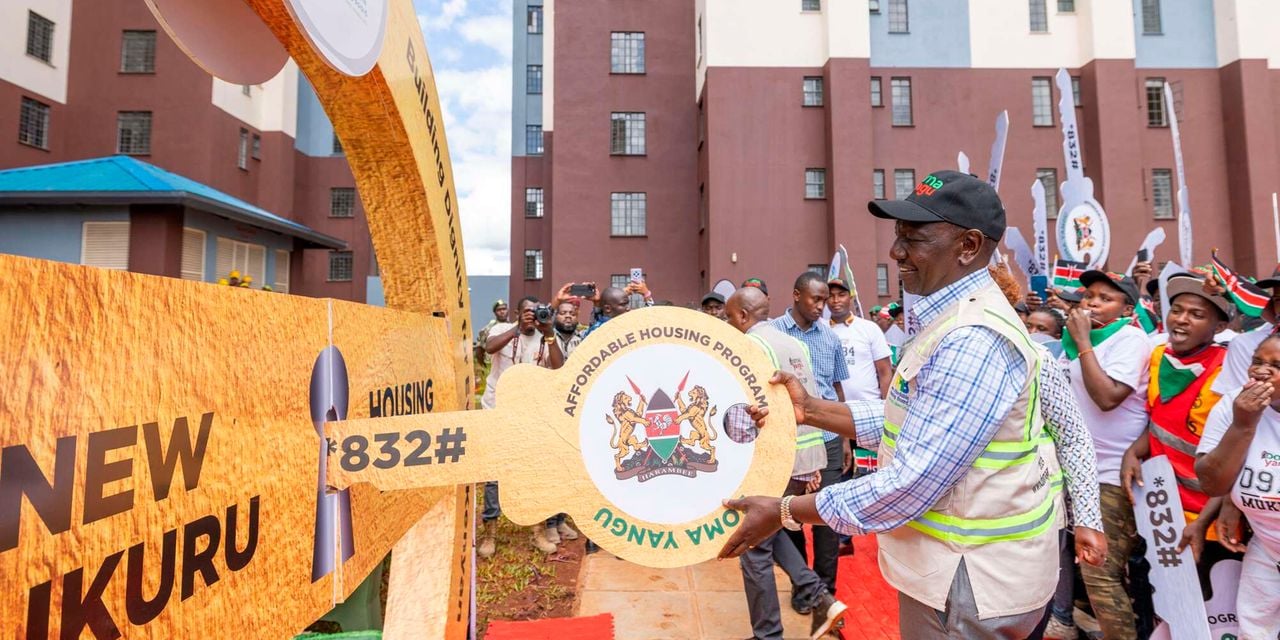
Driven by a surge in public demand, the government’s affordable housing programme is now building 230,000 units across the country, the largest rollout under a single national initiative, President William Ruto has said.
Speaking during his 2025 State of the Nation Address, the President outlined the progress of a programme that has moved from widespread skepticism to becoming a highly sought-after public service.
“Three years ago, when we said we would deliver affordable housing, the cynics dismissed it as a fantasy. When they realised we were serious, they called it impossible. And when we broke ground across the country, they suggested that the projects would stall,” he stated.
President Ruto said public sentiment has shifted, with doubts replaced by a new, widespread question among Kenyans to how they could access the units, reflecting growing interest across the country.
The construction drive, covering both small-scale projects and large multi-storey developments, is being implemented through public, private, and public-private partnerships. The President said the programme aims to strategically increase housing supply in urban and semi-urban areas while ensuring participation of local contractors and suppliers.
In education, the government has included student beds for universities, technical institutions, and medical training colleges to address a chronic shortage of decent accommodation.
“To meet student needs, 178,000 beds have been packaged for universities, TVETs, and KMTCs, with 74,000 already under construction, transforming a sector where fewer than 10% once had decent accommodation,” the President said.
Linking housing with economic infrastructure, the government is constructing 276 new markets nationwide, with another 175 in the pipeline. These markets aim to provide essential trading spaces for micro and small business traders, ensuring new settlements develop alongside commercial hubs.
President Ruto also highlighted the Nairobi River Regeneration Programme, where 44,000 youth are working to restore the river corridor and prepare sites for 10,000 new homes, integrating environmental restoration with job creation.
Overall, the housing programme has created more than 428,000 jobs for professionals and artisans and is expected to employ up to one million Kenyans at its peak next year.
“Honourable Members, this programme is far more than housing. It is a national empowerment engine creating jobs, formalising the informal sector, revitalising MSMEs, restoring our environment, and building resilient communities,” he emphasized.
About The Author