Nationwide Dam Project Aims to Wean Kenya Off Rain-Fed Farming
By Cecilia Ngunjiri
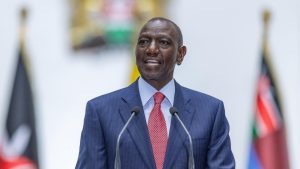
President William Ruto has unveiled a nationwide water infrastructure initiative aimed at reducing Kenya’s dependence on rain-fed agriculture and transforming the country into a net food exporter.
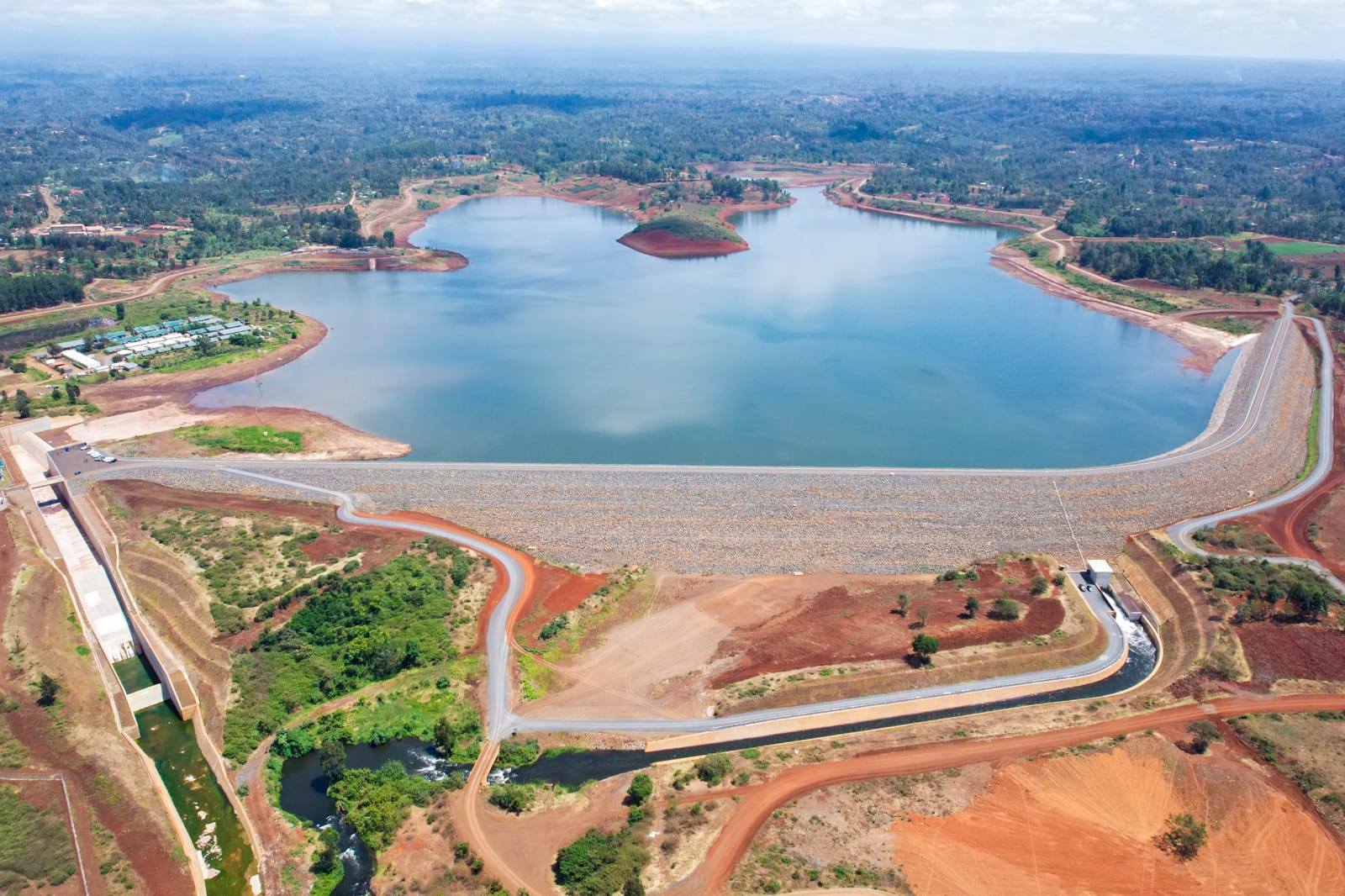
The plan includes the construction of 50 mega dams, 200 medium and small dams, and thousands of micro-dams across the nation.
During his 2025 State of the Nation Address at the National Assembly, President Ruto stressed the urgency of the water infrastructure initiative, saying that the country could no longer allow rainfall to determine whether people have enough to eat.
He noted that only 15 per cent of Kenya receives sufficient rainfall for agriculture, leaving much of the arable land underutilised, and added that expanded modern irrigation was the only viable solution.
“With dams, we can transform our arid and semi-arid areas into hubs of agricultural production, even in the absence of rainfall,” he said, explaining that the project would bring at least 2.5 million acres under irrigation within the next five to seven years.
The Ministry of Water, Sanitation and Irrigation has already identified strategic sites for the projects, spanning almost every region of Kenya. Key confirmed locations include High Grand Falls Dam on River Daua in Mandera, Isiolo–Barsalinga Dam in Isiolo, Yatta Dam in Machakos, Sigly Canal in Garissa, Soin–Koru Dam in Kisumu, Rumuruti Dam in Laikipia, Thuci Dam in Embu and Tharaka-Nithi, Lowaat Dam in Turkana, and Muhoya Dam on the Nyeri–Kirinyaga border.
The President highlighted that the water initiative is not just about food security. It is central to Kenya’s broader economic ambitions, including agro-industrialisation. Irrigation will ensure a consistent supply of raw materials for Special Economic Zones, Export Processing Zones, and county-level industrial parks.
“Irrigation will produce the raw materials, and our SEZs, EPZs, and County Aggregation and Industrial Parks will convert them into high-value products for national, regional and global markets,” he said.
The President described the plan as a transformative, strategic investment aimed at boosting rural prosperity, ensuring economic independence, enhancing food security, and promoting sustainable development across Kenya’s arid and semi-arid regions.
About The Author